Broadcast Radio Encoder Introduction to Broadcast Radio Encoding
A Broadcast Radio Encoder is a critical component in modern radio broadcasting. It converts live or recorded audio into a digital format that can be transmitted over the internet, satellite, or traditional broadcasting networks. Whether you operate an FM station, online radio platform, or professional broadcasting network, a reliable broadcast radio encoder ensures listeners receive clear, uninterrupted, and high-quality audio.
As digital broadcasting continues to grow, radio stations require advanced encoding solutions that provide stable streaming, efficient bandwidth usage, and compatibility with multiple broadcasting standards. A professional broadcast radio encoder helps stations maintain superior audio quality while reaching audiences across various devices and platforms.
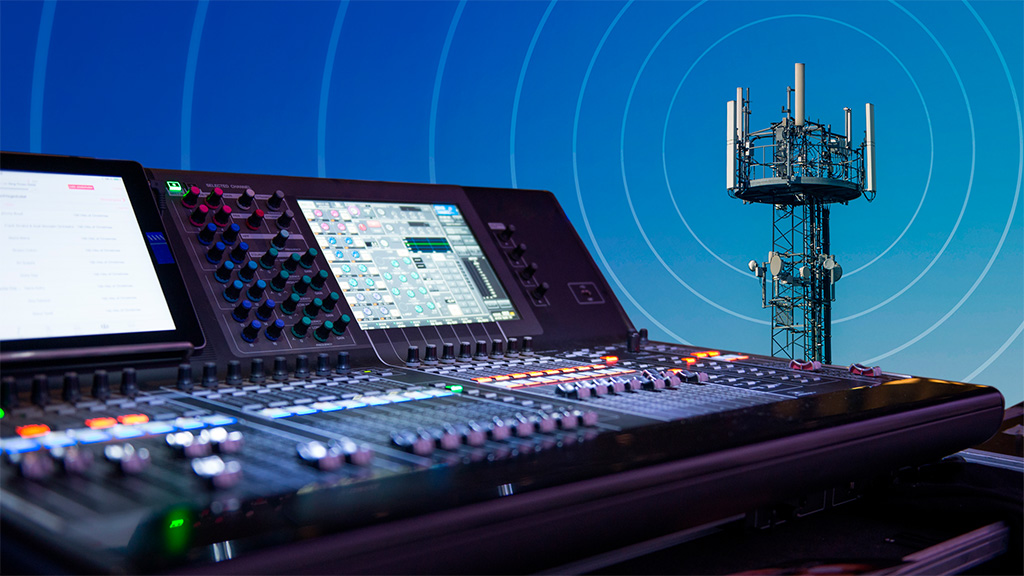
Why Broadcast Radio Encoders Are Important
Deliver Consistent Audio Quality
A broadcast radio encoder processes audio using advanced compression technologies that preserve sound quality while reducing file size. This allows stations to deliver crystal-clear broadcasts even when internet bandwidth is limited.
Support Multiple Streaming Formats
Modern radio encoders support a wide range of streaming formats, making it easier to broadcast content across websites, mobile applications, smart speakers, and media players. This flexibility helps radio stations expand their audience reach.
Improve Broadcasting Efficiency
By converting audio into optimized digital streams, encoders reduce network load and improve transmission performance. This ensures smooth broadcasting without interruptions or buffering issues.
Key Features of a Broadcast Radio Encoder
High-Quality Audio Encoding
Advanced encoding algorithms preserve voice clarity and music quality while minimizing bandwidth consumption. This results in a professional listening experience for audiences worldwide.
Real-Time Streaming
Broadcast radio encoders are designed to process and stream audio in real time. This feature is essential for live radio shows, news broadcasts, sports coverage, and special events.
Multiple Codec Support
Most professional solutions support popular codecs such as MP3, AAC, AAC+, and Opus. This allows broadcasters to choose the ideal balance between audio quality and bandwidth usage.
Automatic Failover Protection
Reliable encoders include backup streaming options that automatically activate if the primary connection fails. This helps maintain continuous broadcasting and minimizes downtime.
Features and Benefits
Easy Integration
Broadcast radio encoders can integrate with existing studio equipment, automation software, and broadcasting systems. This reduces setup time and simplifies operations.
Reduced Bandwidth Usage
Efficient audio compression allows stations to stream high-quality content while consuming less internet bandwidth, helping reduce operational costs.
Enhanced Listener Experience
Optimized audio delivery ensures listeners enjoy smooth playback with minimal buffering, leading to higher audience satisfaction and retention.
Remote Broadcasting Support
Many encoder solutions support remote access and cloud connectivity, enabling broadcasters to manage and monitor streams from virtually anywhere.
Scalable Broadcasting
Whether serving a local audience or a global listener base, modern encoders can scale according to broadcasting requirements without sacrificing performance.
Applications of Broadcast Radio Encoders
Internet Radio Stations
Online radio broadcasters depend on encoders to stream audio content efficiently to listeners around the world.
FM and AM Radio Networks
Traditional radio stations use digital encoders to distribute programming to transmitters and online platforms simultaneously.
Educational and Community Broadcasting
Schools, universities, and community organizations utilize broadcast radio encoders to share educational content, announcements, and live events.
Corporate and Event Broadcasting
Businesses and event organizers use encoding technology for live presentations, webinars, conferences, and special broadcasts.
Choosing the Right Broadcast Radio Encoder
When selecting a broadcast radio encoder, consider factors such as audio quality, codec support, streaming reliability, scalability, and compatibility with existing broadcasting infrastructure. A professional solution should provide dependable performance, easy configuration, and the flexibility needed for future growth.
Organizations should also evaluate monitoring capabilities, security features, and technical support availability to ensure long-term operational success.
Conclusion
A Broadcast Radio Encoder is a fundamental tool for modern radio broadcasting. It enables stations to deliver high-quality audio streams, improve transmission efficiency, and reach audiences across multiple platforms. With features such as real-time streaming, advanced compression, multiple codec support, and failover protection, a professional encoder helps broadcasters maintain reliability and provide an exceptional listening experience.
As digital radio continues to evolve, investing in a powerful broadcast radio encoder remains essential for broadcasters seeking improved performance, wider audience reach, and long-term broadcasting success.
Download
Telegram ID
eMail