Radio Workstation 1: A Complete Solution for Modern Audio Broadcasting
Radio Workstation 1 is a powerful software solution designed to simplify professional audio broadcasting, production, and content management. It helps radio stations create engaging programs, manage playlists, edit audio, and deliver high-quality broadcasts with greater efficiency.
Modern broadcasters need reliable tools that support fast workflows and creative freedom. A Radio Workstation provides an all-in-one environment where producers, presenters, and audio professionals can manage daily broadcasting tasks from a single platform.
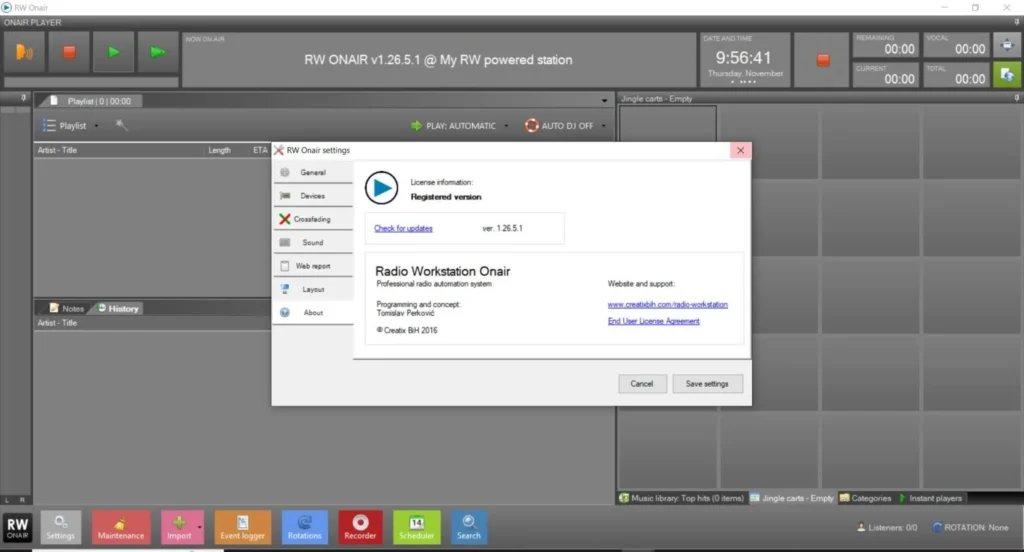
What Is a Radio Workstation 1?
A Radio Workstation is specialized broadcasting software that combines audio production, scheduling, automation, and management features. It allows radio teams to record shows, organize content, control playback, and maintain consistent broadcast quality.
Unlike traditional systems, modern Radio Workstation software is built for flexibility and speed. It supports live broadcasting, automated programming, and professional audio processing to meet the needs of different radio environments.
Why Radio Stations Need Advanced Workstation Software
Radio stations operate in a competitive digital landscape where listeners expect clear sound and engaging content. A reliable workstation helps broadcasters reduce manual tasks and focus more on creativity and audience engagement.
Professional software improves workflow organization by connecting production, scheduling, and broadcasting tools. This creates a smoother experience for teams while maintaining accuracy during live and automated broadcasts.
Key Features of Radio Workstation v1 Software
A modern Radio Workstation v1 download offers a wide range of features that improve broadcasting performance. These tools are designed to help users manage audio content easily while increasing productivity.
Features
Audio Recording and Editing
Radio Workstation 2026 software allows users to record interviews, voice segments, advertisements, and programs. Built-in editing tools help remove unwanted sections, improve sound quality, and prepare content for professional broadcasting.
Broadcast Automation
Automation features allow stations to schedule programs, advertisements, music playlists, and announcements in advance. This reduces workload and ensures smooth broadcasts even when staff members are unavailable.
Playlist Management
Efficient playlist management helps broadcasters organize music, shows, and audio files. Users can create customized schedules that match audience preferences and maintain a consistent programming structure.
Live Broadcasting Support
Live broadcasting tools provide presenters with greater control during shows. They can manage audio sources, switch between segments, and deliver professional programs without complicated processes.
Audio Quality Enhancement
Advanced sound processing improves clarity and consistency. Radio teams can enhance recordings and broadcasts to provide listeners with a more enjoyable audio experience across different devices.
Content Management
A centralized content library makes it easier to store, search, and organize audio files. Teams can quickly access important recordings, promotional materials, and broadcast resources whenever needed.
Benefits of Using Radio Workstation Software
Choosing the right Radio Workstation can transform how a station operates. It helps improve efficiency, reduce production time, and provide a better experience for both broadcasters and listeners.
Improved Workflow Efficiency
Radio teams can complete tasks faster with organized tools and automated processes. From creating playlists to managing live shows, every function works together to support a productive broadcasting environment.
Better Content Quality
Professional editing and audio processing tools help broadcasters produce polished programs. High-quality content increases listener satisfaction and strengthens the station’s reputation.
Easy Management and Control
A user-friendly interface allows beginners and experienced professionals to manage broadcasting activities effectively. Simple controls reduce complexity while providing powerful production capabilities.
How Radio Workstation Supports Digital Broadcasting
Digital broadcasting requires technology that can adapt to changing audience habits. A Radio Workstation helps stations deliver content across modern platforms while maintaining professional standards.
With advanced management tools, broadcasters can create diverse content, schedule programs efficiently, and respond quickly to industry trends. This makes the software valuable for traditional radio stations and digital audio providers.
Choosing the Right Radio Workstation
Selecting the right playout software depends on a station’s goals, workflow, and technical requirements. Businesses should consider features, usability, scalability, and support when evaluating broadcasting solutions.
A dependable Radio Workstation should provide reliable performance, simple operation, and tools that support future growth. The right platform helps broadcasters stay competitive while delivering memorable audio experiences.
Conclusion
Radio Workstation v1 software is an essential solution for modern broadcasting organizations. It combines production, automation, audio management, and scheduling features into one powerful platform.
By improving workflow efficiency and content quality, a Radio Workstation helps radio professionals create better broadcasts and connect with audiences effectively. Investing in the right software can support long-term success in the evolving media industry.
Download
Telegram ID
eMail