
HOMER Energy Pro v3: Advanced Microgrid Design and Energy Optimization Software
HOMER Energy Pro v3 is a powerful software solution for designing, analyzing, and optimizing hybrid energy systems. It helps engineers, renewable energy consultants, researchers, and project developers evaluate different power generation technologies and identify cost-effective energy solutions for residential, commercial, industrial, and remote applications
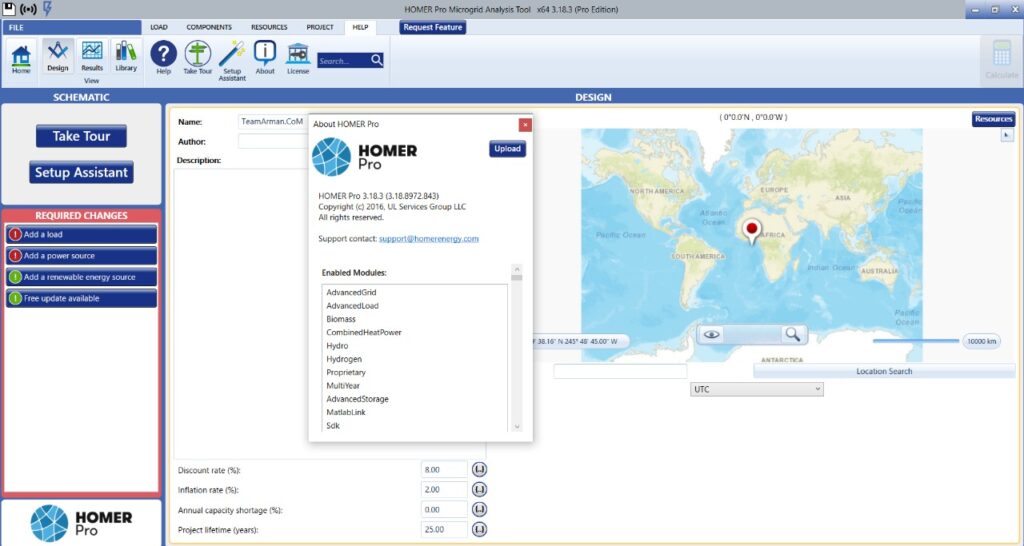
What Is HOMER Energy Pro v3?
HOMER Pro, which stands for Hybrid Optimization of Multiple Energy Resources, is designed to simplify microgrid planning and distributed energy system analysis. It allows users to simulate different combinations of solar panels, wind turbines, batteries, generators, and grid connections.
By comparing technical performance and long-term costs, HOMER Pro helps professionals make informed decisions before investing in energy infrastructure. Version 3 documentation covers important capabilities for modeling hybrid systems and evaluating their economic feasibility.
Key Features of HOMER Energy Pro v3
HOMER Energy Pro v3 combines energy simulation, system optimization, and sensitivity analysis in one practical workflow. These capabilities help users understand how different equipment choices and changing market conditions influence overall project performance.
1. Hybrid Energy System Modeling
The software enables users to design hybrid power systems using multiple energy sources. By combining renewable generation with battery storage and conventional generators, users can investigate configurations that match their specific electricity demands.
Benefits of Hybrid Modeling
Flexible system modeling helps engineers compare alternative designs, assess renewable energy integration, and identify suitable equipment combinations for off-grid communities, commercial facilities, and remote industrial operations.
2. Energy System Simulation
HOMER Pro simulates system operation over time, comparing electricity demand with available energy production. It evaluates how individual components interact, including when batteries charge or discharge and when generators supply additional power.
Improved Performance Assessment
Simulation results help users understand potential energy shortages, equipment utilization, operating behavior, and overall system feasibility before implementing a project in the real world.
3. Cost Optimization and Financial Analysis
One of the most valuable features of HOMER Energy Pro v3 is its ability to compare system configurations according to economic objectives. The software evaluates expenses such as initial investment, fuel consumption, maintenance, replacement, and other lifetime costs.
Better Investment Decisions
Financial comparisons help businesses assess alternative project budgets, estimate long-term expenses, and identify configurations that offer a favorable balance between reliability and affordability.
4. Sensitivity Analysis
Sensitivity analysis allows users to explore how changing assumptions affect system design. Variables such as solar availability, wind speed, fuel prices, equipment costs, and electricity tariffs can influence the results.
Planning for Uncertainty
By comparing different scenarios, project developers can understand potential risks and determine whether a proposed energy system remains practical under changing environmental and economic conditions.
5. Renewable Energy Integration
HOMER Pro supports modeling solar photovoltaic systems, wind turbines, batteries, diesel generators, and grid connections. Additional modules expand its capabilities for technologies such as hydroelectricity, hydrogen, biomass, and combined heat and power.
Flexible Technology Selection
This flexibility makes the software useful for projects with different energy requirements, resource conditions, sustainability objectives, and infrastructure limitations.
Who Should Use HOMER Energy Pro v3?
HOMER Energy Pro v3 is suitable for electrical engineers, renewable energy consultants, microgrid developers, academic researchers, energy planners, and businesses evaluating distributed power generation.
It is particularly useful for remote electrification, island power systems, commercial microgrids, industrial facilities, and renewable energy feasibility studies.
Why Choose HOMER Energy Pro v3?
Choosing HOMER Pro can streamline technical analysis by bringing simulation, optimization, and economic evaluation into one environment. Instead of relying exclusively on manual calculations, users can compare multiple configurations using consistent assumptions.
However, reliable results depend on accurate load profiles, resource data, equipment specifications, and realistic cost estimates.
Conclusion
HOMER Energy Pro v3 is a valuable tool for microgrid design, hybrid energy system simulation, and renewable energy cost analysis. Its modeling, optimization, and sensitivity analysis capabilities help professionals evaluate alternatives and make better-informed project decisions. For organizations planning efficient, reliable, and economically viable energy systems, HOMER Pro offers a structured approach to energy project assessment.