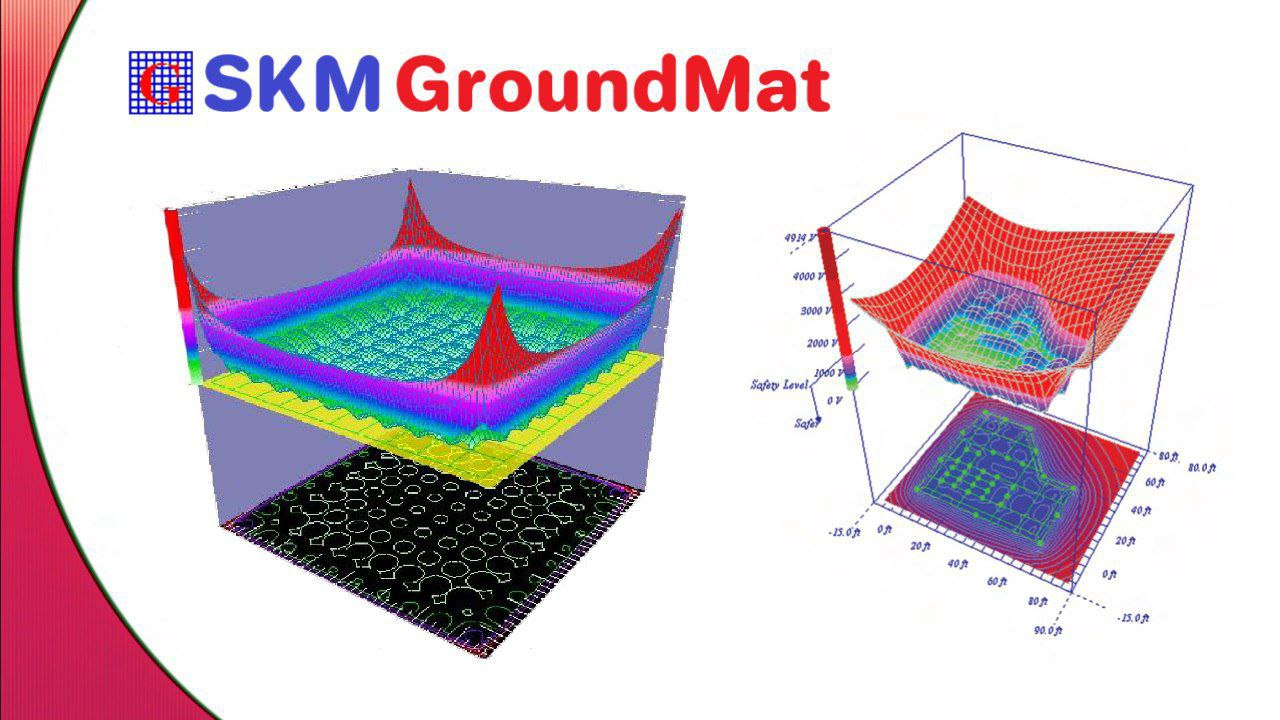
SKM GroundMat: Smart Grounding Design and Analysis Software
SKM GroundMat is a specialized engineering software solution designed to support grounding system design and analysis for electrical power facilities. It helps engineers evaluate grounding performance, improve electrical safety, and develop reliable grounding systems for substations, industrial plants, and utility installations.
What Is SKM GroundMat?
SKM GroundMat is associated with electrical grounding analysis, helping engineers assess ground grid performance under fault conditions. Grounding systems are essential for directing fault current safely into the earth and controlling dangerous voltage differences that may occur during electrical faults.
By supporting detailed engineering calculations, grounding analysis software helps professionals make informed design decisions, reduce manual work, and document technical results more efficiently. It is particularly valuable for projects where electrical safety, compliance, and accurate engineering assessments are priorities.
Key Features of SKM GroundMat
SKM GroundMat supports the grounding design process by helping electrical engineers evaluate important system parameters. Its capabilities can contribute to more organized workflows, better design assessments, and clearer technical documentation.
1. Ground Grid Analysis
Ground grid analysis helps engineers understand how a grounding network performs under fault conditions. Evaluating the grid supports informed decisions about conductor arrangements, grounding effectiveness, and potential safety concerns.
2. Touch and Step Voltage Evaluation
Touch and step voltages are important considerations in grounding system design. Engineers evaluate these voltage differences to identify potentially hazardous conditions and determine whether additional grounding measures may be necessary.
3. Soil Resistivity Assessment
Soil resistivity influences how electrical current disperses through the ground. Considering soil conditions helps engineers develop grounding designs suited to the installation site rather than relying on assumptions that may not reflect actual ground characteristics.
4. Fault Current Considerations
Fault current calculations are essential when assessing grounding system performance. Engineers must consider relevant fault conditions, current distribution, and applicable design criteria to determine whether a proposed grounding arrangement meets project requirements.
5. Engineering Calculations and Reporting
Organized calculations and technical reports help engineers communicate design decisions to project teams and reviewers. Software-supported analysis can simplify documentation, improve consistency, and make it easier to review engineering assumptions and calculated results.
Benefits of Using SKM GroundMat
Choosing suitable grounding analysis software can improve the efficiency and reliability of electrical engineering projects. The following benefits explain why grounding analysis tools are valuable for modern power system design.
Improved Electrical Safety
Grounding analysis helps engineers identify potentially dangerous voltage conditions and assess protective measures. A properly evaluated grounding system supports personnel safety and reduces electrical risks around substations and other power installations.
Greater Engineering Efficiency
Software-assisted calculations can reduce repetitive manual work and help engineers evaluate design alternatives more systematically. This allows technical teams to focus more attention on engineering decisions, design quality, and project-specific requirements.
Better Design Confidence
Structured analysis provides a clearer understanding of grounding performance. Engineers can use calculated results to support design reviews, compare alternatives, and identify areas requiring further investigation before construction.
Support for Project Documentation
Consistent technical documentation makes it easier to communicate calculations, assumptions, and findings. This is especially useful for engineering consultants, contractors, utility companies, and industrial organizations managing complex electrical projects.
Who Can Benefit From SKM GroundMat?
Electrical Engineers and Consultants
Electrical engineers can use grounding analysis tools when designing, reviewing, or upgrading grounding systems. Consultants may also benefit when preparing technical assessments and supporting client engineering requirements.
Utilities and Industrial Facilities
Power utilities, manufacturing plants, and industrial facilities depend on effective grounding systems to support safe electrical operations. Grounding analysis helps their engineering teams evaluate installation requirements and plan appropriate improvements.
Substation and Power Infrastructure Projects
Substation projects require careful consideration of fault currents, soil conditions, grounding conductors, and voltage limits. Detailed analysis helps engineering teams address these factors during design and technical review.
Why Choose Grounding Analysis Software?
Grounding analysis software can help organizations standardize engineering workflows, reduce calculation effort, and improve the clarity of technical assessments. However, engineers should verify the software’s exact capabilities, licensing terms, supported standards, and compatibility with their project requirements before purchasing.
Important Considerations Before Selection
Review available calculation methods, reporting functions, software updates, and technical support. Confirm that the selected solution supports applicable IEEE grounding standards and relevant local regulations.
Conclusion
SKM GroundMat 2026 is a relevant solution to consider when evaluating software for electrical grounding design and analysis. By focusing on grounding performance, voltage safety, engineering calculations, and documentation, professionals can make better-informed design decisions. Selecting the appropriate software helps support reliable power infrastructure and safer electrical installations.