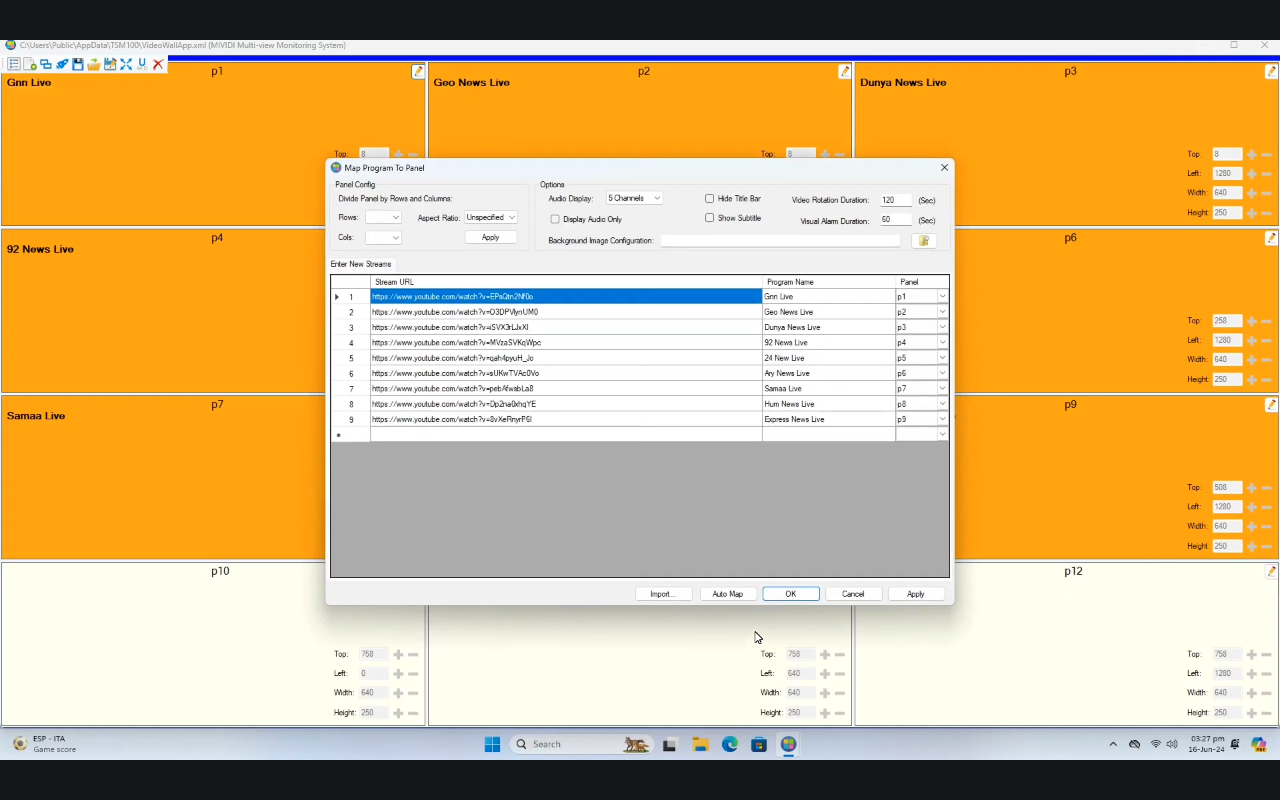
IP Multiview Monitoring System VideoWall 3.2: Advanced Broadcast Monitoring Solution
An Download IP Multiview Monitoring System is a professional-grade solution designed to help broadcasters, network operators, and media facilities monitor multiple video streams simultaneously over IP networks. With the rapid adoption of IP-based workflows in modern broadcast environments, reliable monitoring tools have become essential for maintaining signal quality, detecting errors, and ensuring smooth on-air operations. This system delivers comprehensive, real-time visibility into multiple channels, making it a critical component of professional broadcast infrastructure.
What Is an IP Multiview Monitoring System?
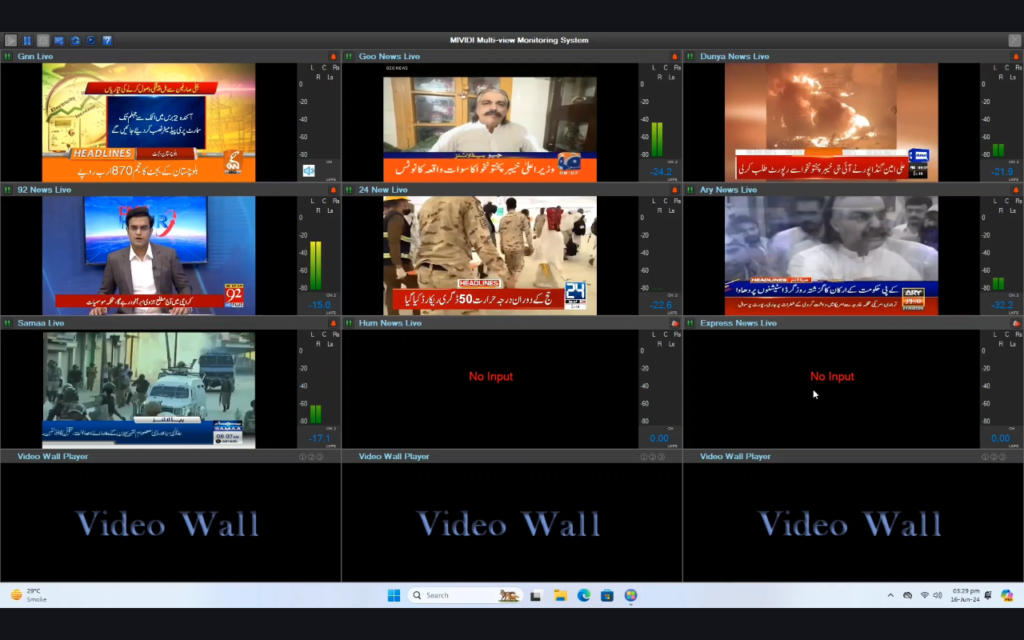
An IP Multiview Monitoring System consolidates multiple video feeds into a single, centralized interface, allowing operators to monitor several channels at once. It supports high-resolution video streams, audio channels, and metadata, enabling comprehensive oversight of broadcast operations. Designed for both traditional and IP-based broadcasting, it ensures that content delivery remains consistent, reliable, and high quality.
Designed for Modern Broadcast Operations
As broadcasters transition to IP-based workflows, monitoring multiple streams efficiently has become more complex. An IP Multiview Monitoring System simplifies this challenge by providing a single platform where operators can track, analyze, and verify all video sources in real time, reducing the risk of on-air errors.
Why IP Multiview Monitoring Systems Matter
Real-Time Monitoring
Operators can oversee multiple channels simultaneously, ensuring timely detection of technical issues such as video loss, signal degradation, or audio mismatches.
Streamlined Operations
By consolidating multiple feeds into one interface, the system reduces operator workload and enhances efficiency.
Compatibility and Scalability
IP Multiview Monitoring Systems integrate with a wide range of broadcast equipment and are scalable to accommodate growing channel lineups or higher-resolution streams.
Core Capabilities
Multi-Channel Video Monitoring
Supports simultaneous monitoring of multiple SD, HD, and 4K channels from a centralized dashboard.
Audio and Metadata Analysis
Monitors audio channels, embedded metadata, and ancillary data to ensure full compliance with broadcast standards.
Real-Time Alerts
Automatically notifies operators of anomalies, such as signal loss, codec errors, or synchronization issues.
Flexible Layouts
Displays feeds in customizable grids, allowing broadcasters to prioritize critical channels and view content clearly.
Features and Benefits Explained Simply
Centralized Stream Monitoring
All video and audio sources are visible on a single screen, reducing the need for multiple devices or monitoring points.
High-Resolution Support
Supports SD, HD, and 4K streams, ensuring future-proof monitoring for evolving broadcast workflows.
Automated Alert System
Instant notifications for errors help operators respond quickly, minimizing downtime and on-air disruptions.
Customizable Multiview Layouts
Adjust the display grid to focus on high-priority channels, improving operational efficiency.
Scalability
Easily add additional inputs and outputs as channel counts increase, ensuring long-term adaptability.
Easy Integration
Works with existing broadcast infrastructure, including IP encoders, decoders, playout servers, and production systems.
Practical Applications
Television Channel Monitoring
Monitor live and scheduled programming across multiple channels to ensure uninterrupted broadcasts.
Network Operations Centers (NOCs)
Centralize control of multiple broadcast feeds and IP streams for regional or national networks.
Live Event Coverage
Track multiple cameras, live feeds, and streaming sources simultaneously during sports, concerts, or news events.
Operational Advantages
Reduced Downtime
Immediate detection and alerts for errors help prevent on-air interruptions.
Increased Efficiency
Centralized monitoring reduces operator workload while providing a comprehensive overview of broadcast performance.
Improved Signal Quality
Continuous observation ensures high-quality video and audio delivery for audiences.
SEO Value for Broadcast Professionals
IP Multiview Monitoring Systems align with high-value search queries such as IP broadcast monitoring, multi-channel video monitoring software, centralized stream supervision, and professional broadcast monitoring system. Their focus on efficiency, real-time alerts, and scalability makes them highly relevant for modern broadcasters and network operators.
Features Overview
Multi-Channel Video Display
Monitor multiple SD, HD, and 4K feeds simultaneously.
Audio and Metadata Monitoring
Track audio channels and embedded metadata for compliance and quality control.
Real-Time Alert Notifications
Receive instant alerts for errors, signal loss, or synchronization issues.
Customizable Layouts
Organize video feeds in grids or custom views based on operational priorities.
Scalable Architecture
Easily add more channels or inputs as your network grows.
Seamless IP Integration
Compatible with IP encoders, playout servers, and production systems.
Conclusion
An IP Multiview Monitoring System is an essential tool for modern broadcast operations, providing centralized, real-time oversight of multiple video streams. With advanced monitoring, automated alerts, and scalable architecture, it ensures high-quality, uninterrupted broadcasts. For broadcasters and network operators seeking a reliable, professional monitoring solution, an IP Multiview Monitoring System offers the precision, flexibility, and efficiency necessary to manage complex IP-based workflows effectively.
Download
Telegram ID
eMail