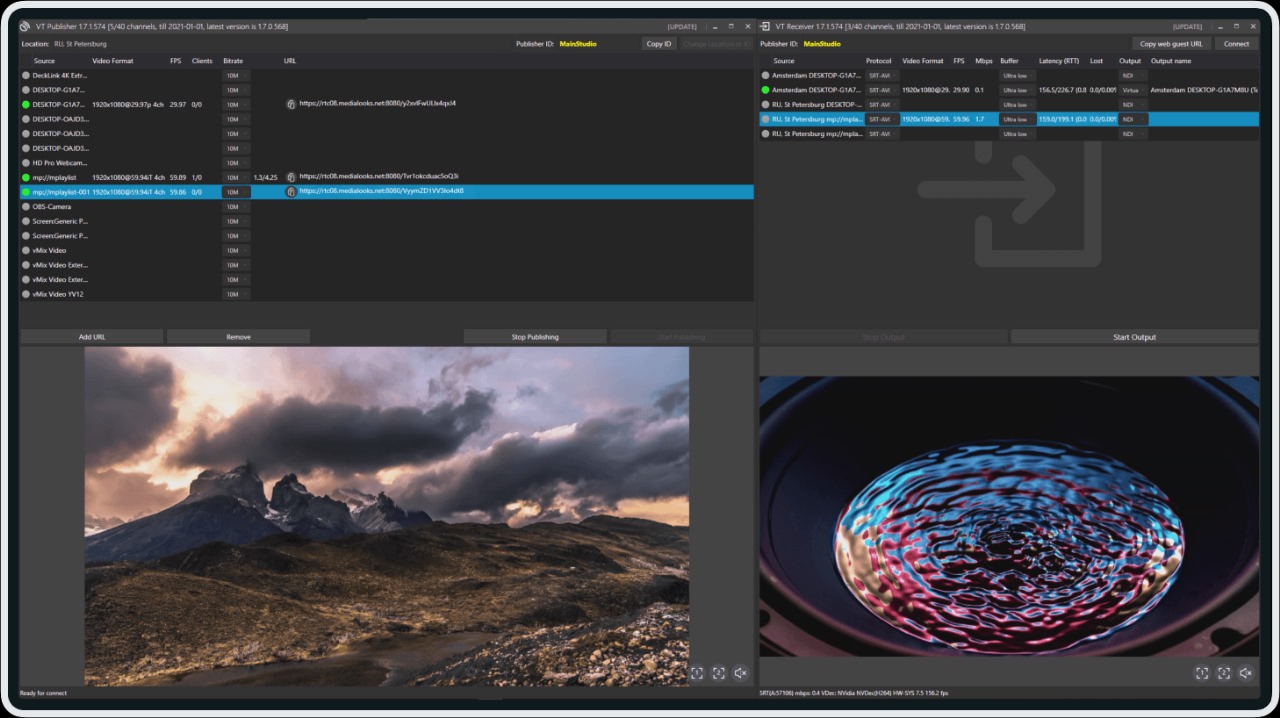
Video Transport 1.7 NDI Streaming: Reliable Media Signal Delivery for Modern Broadcasting and Streaming
Video Transport download refers to the technology and systems used to deliver video signals efficiently from one location to another across broadcast, production, and digital streaming environments. As the demand for high-quality video content continues to grow, organizations require advanced video transport solutions that ensure low latency, high reliability, and seamless signal transmission.
From live broadcasting and OTT platforms to remote production and enterprise media workflows, video transport download plays a crucial role in maintaining consistent video quality and uninterrupted delivery.
Why Video Transport is Essential in Today’s Media Industry
Supporting High-Quality Video Distribution
Modern audiences expect smooth, high-definition video across multiple platforms. Video transport systems are designed to deliver stable video streams while minimizing buffering, signal loss, and latency issues. This ensures that content reaches viewers in the highest possible quality.
Enabling Real-Time Broadcast and Streaming
For live broadcasts, sports events, and news coverage, real-time video transport is critical. Efficient transport solutions allow media professionals to transmit video feeds instantly between studios, production sites, and distribution networks without delays.
How Video Transport Technology Works
IP-Based Video Transmission
Video transport technologies increasingly rely on IP networks to move video signals securely and efficiently. IP-based transport allows flexible routing, scalability, and integration with cloud-based media systems.
Compression and Encoding Optimization
Advanced video transport solutions use compression and encoding technologies to reduce bandwidth usage while preserving video quality. This enables faster delivery and efficient network utilization.
Secure and Redundant Signal Delivery
Professional video transport systems include redundancy and failover mechanisms that ensure uninterrupted transmission even during network disruptions or hardware failures.
Key Features of Video Transport Solutions
Real-Time Video Signal Delivery
Videotransport systems are engineered for real-time signal transmission, ensuring smooth and synchronized video playback across platforms and devices.
Multi-Format Compatibility
Modern solutions support a wide range of video formats and resolutions, including HD, 4K, and UHD, making them suitable for diverse production and broadcasting needs.
Scalable Infrastructure
Videotransport platforms are designed to scale with growing media demands, supporting small production teams as well as large broadcast networks.
Low Latency Performance
Low latency is essential for live production and remote workflows. Advanced videotransport technologies minimize delay, ensuring real-time communication and synchronization.
Features and Benefits Explained in Simple Language
Faster Video Delivery
Videotransport systems send video signals quickly and smoothly, reducing delays and buffering during live streams or broadcasts.
Clear and Consistent Video Quality
These solutions help maintain sharp and stable video quality, even when transmitting over long distances or through complex networks.
Easy Integration with Existing Systems
Videotransport software and systems can work with current broadcasting tools, streaming platforms, and production equipment without requiring major changes.
Reliable Performance for Live Events
With built-in backup and redundancy features, video trans port ensures uninterrupted streaming during important live events and productions.
Flexible Configuration Options
Users can customize settings based on their network capacity, production requirements, and distribution channels for optimal performance.
Applications of Video Transport in Media and Technology
Broadcast Television and Production Studios
Television networks and studios rely on video transport to distribute live and recorded content between control rooms, editing suites, and transmission systems.
Live Streaming and OTT Platforms
Streaming services use advanced video trans port technologies to deliver high-quality content to global audiences with minimal latency and buffering.
Remote Production and Cloud Workflows
Video trans port supports remote production environments by enabling seamless video transfer between on-site cameras, cloud servers, and production teams located in different regions.
Corporate and Enterprise Communications
Businesses use video trans port solutions for webinars, virtual conferences, and internal broadcasting to ensure professional and stable video delivery.
Performance, Scalability, and Future-Ready Design
Optimized for Modern IP and Cloud Environments
Video trans port systems are built to function efficiently in IP-based and cloud-driven infrastructures, making them suitable for evolving digital workflows.
High Efficiency and Bandwidth Management
Advanced bandwidth optimization ensures smooth transmission without overwhelming network resources, improving operational efficiency.
Conclusion: Why Video Transport is a Smart Investment for Media Organizations
Video Transport is a foundational technology for any organization involved in broadcasting, streaming, or digital media production. Its ability to deliver real-time video, maintain high quality, and support scalable workflows makes it an essential component of modern media infrastructures.
By offering low latency, reliable transmission, and seamless integration with existing systems, video transport solutions empower broadcasters, content creators, and enterprises to deliver exceptional viewing experiences. For businesses seeking efficient and future-proof video delivery systems, investing in advanced video transport technology ensures long-term performance, reliability, and competitive advantage in the rapidly evolving media landscape.
Download
Telegram ID
eMail