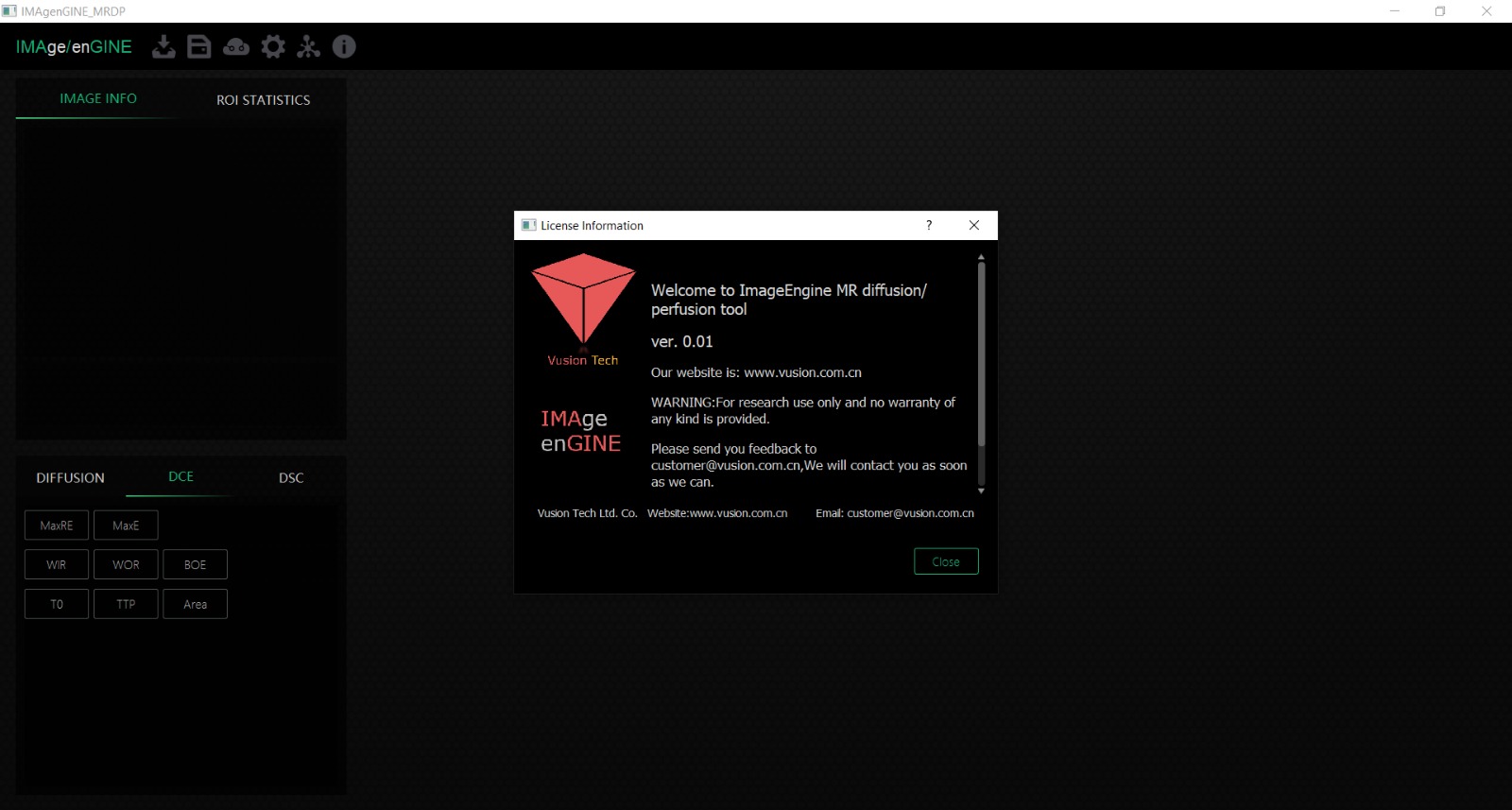
IMAgenGINE MRI: Advanced Medical Imaging for Better Diagnostic Workflows
IMAgenGINE MRI is a modern medical imaging solution designed to support efficient MRI visualization, image processing, and diagnostic workflows. For healthcare providers, radiology departments, and medical imaging professionals, reliable imaging software can improve image accessibility, simplify daily tasks, and support informed clinical decision-making.
What Is IMAgenGINE MRI?
IMAgenGINE MRI refers to an MRI-focused imaging software solution intended to help medical professionals work with magnetic resonance imaging data. MRI technology produces detailed images of internal body structures, helping clinicians examine soft tissues, organs, joints, and other areas without using ionizing radiation.
Specialized MRI software can help organize imaging studies, display medical images, and support image analysis. Its practical value depends on the available features, compatibility, and intended clinical use.
Why Is MRI Software Important in Modern Healthcare?
Medical imaging departments handle increasing volumes of patient scans and diagnostic information. Efficient MRI software helps streamline image review and makes it easier for healthcare teams to manage imaging workflows.
By improving access to organized imaging data, suitable software can reduce unnecessary manual steps and support communication between radiologists and other medical professionals. However, software findings must always be interpreted by qualified healthcare practitioners.
Key Features and Benefits of IMAgenGINE MRI 2026
1. Advanced MRI Image Visualization
Clear image visualization is essential when examining detailed MRI scans. Imaging software can provide tools for viewing different image slices, adjusting display settings, and navigating complex medical studies.
These capabilities help professionals examine anatomical structures more efficiently and review relevant details during diagnostic assessments.
2. Efficient Image Management
Managing medical imaging files can become challenging when departments process numerous examinations every day. Organized image management features can help users locate, review, and handle imaging studies more conveniently.
Simplified Workflow Organization
A well-designed workflow can reduce repetitive tasks, improve access to relevant examinations, and help imaging teams maintain a more consistent review process.
3. User-Friendly Interface
Medical professionals benefit from software that is straightforward to navigate. An intuitive interface can make common imaging tasks easier to learn and perform, particularly in busy radiology environments.
Improved Everyday Usability
Clear menus, accessible controls, and logical navigation can help users spend less time searching for tools and more time reviewing relevant medical information.
4. Support for Imaging Analysis
MRI image analysis tools can assist professionals in examining anatomical details and reviewing imaging data. Depending on the software’s actual capabilities, these tools may support measurements, image comparisons, or other analytical tasks.
Such features can contribute to a more structured assessment process but do not replace professional judgment or independently establish a medical diagnosis.
5. Workflow Compatibility
Compatibility is an important consideration when selecting medical imaging software. Healthcare organizations should assess supported file formats, integration options, and interoperability with existing imaging systems.
Software that fits an organization’s technical environment can help minimize workflow disruptions and support more consistent information management.
Who Can Benefit from IMAgenGINE MRI?
IMAgenGINE MRI may be relevant to radiology departments, diagnostic imaging centers, hospitals, medical researchers, and other professionals working with MRI data, depending on its intended functionality.
Healthcare technology decision-makers should evaluate the solution according to their operational requirements, staff experience, infrastructure, and clinical objectives before implementation.
How to Choose the Right MRI Imaging Software
Evaluate Essential Requirements
Before selecting MRI software, consider image quality, supported imaging formats, usability, data security, and integration requirements. Training resources and technical support are also important factors for successful adoption.
Prioritize Reliability and Security
Healthcare organizations should verify applicable privacy protections, access controls, regulatory requirements, and data-handling practices. Clinical use should follow relevant professional standards and the software’s validated intended purpose.
Conclusion: Is IMAgenGINE MRI Worth Considering?
IMAgenGINE MRI 2027 represents an MRI-focused software topic for organizations exploring medical image visualization and workflow improvements. The right solution can help simplify imaging tasks, improve usability, and support efficient access to medical imaging data.
For the best results, evaluate the software’s verified features, compatibility, security, and clinical suitability. Choosing an appropriate MRI imaging solution can help healthcare teams build more organized and effective diagnostic workflows.
Download IMAgenGINE MRI 2026
Telegram ID
eMail
Request for One Day Pro Demo For Free Pro Demo Download